About Kinmundy Log Cabin Village
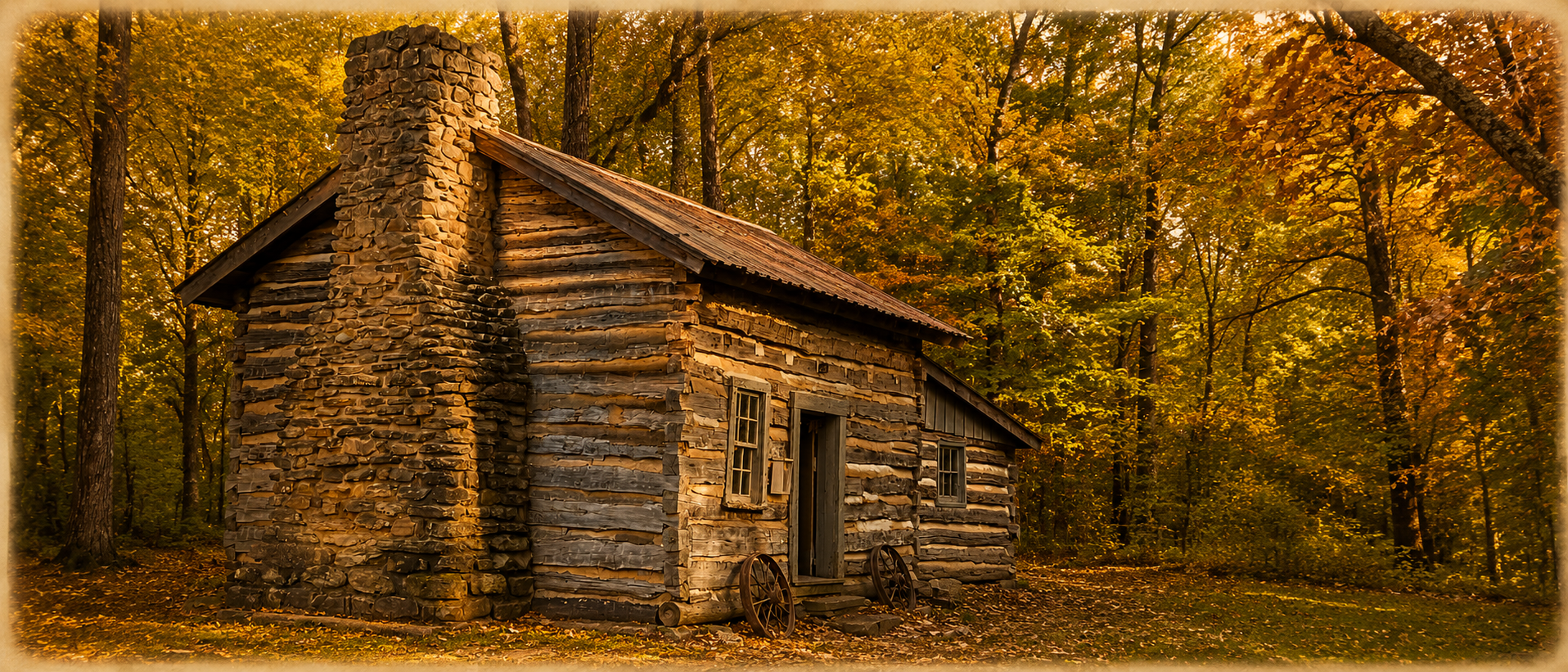
Nestled among forty wooded acres near Kinmundy, Illinois, Kinmundy Log Cabin Village preserves historic log structures, artifacts, and stories from pioneer life in the 19th century.
What began as one woman’s vision has grown into a place where visitors can explore local history, experience community traditions, and help preserve the past for future generations.
Our Mission
Our mission is to preserve pioneer-era log structures and artifacts and to educate the public about the lives and experiences of 19th-century pioneers.
Our Story
Kinmundy Log Cabin Village began with the vision of Erma Ingram of Kinmundy, Illinois. In the late 1950s, Erma recognized that historic log structures from the 1800s were rapidly disappearing. She acquired her first cabins from the Omega area as land was being prepared for Stephen A. Forbes State Park.
With help from her son, Robert, and his high school friends, Erma began dismantling the cabins and moving them to a forty-acre wooded property on the north side of Kinmundy. There, the structures were carefully reassembled.
Throughout the 1960s, Ingram’s Pioneer Log Cabin Village became a reality. Fifteen cabins dating from the early to mid-1800s were moved to the property from within approximately fifty miles of Kinmundy. The cabins were furnished with period artifacts to give visitors a glimpse into the challenging and resourceful lives of early pioneers.
The Village opened to the public in the mid-1970s. Around the same time, the annual Fall Festival was established, beginning a community tradition that continues today.
After Erma passed away in 2003, the Village was entrusted to her son, Robert. He continued his mother’s vision, but maintaining the cabins and coordinating the Fall Festival became a daunting responsibility for one person. The Kinmundy Historical Society, under the direction of Marla Shirley, began assisting Robert with the operation and preservation of the Village.
Following Robert’s passing in 2016, ownership of the Village transferred to Shriners Hospitals for Children according to Erma’s trust and wishes. This created uncertainty about the Village’s future.
In response, a group of local community leaders established Kinmundy Promotions, Inc., a nonprofit 501(c)(3) organization, and purchased the Village. Their efforts ensured that Erma Ingram’s vision could continue and that the Village would remain a place for historic preservation, education, and community events.
Volunteer Leadership
Kinmundy Promotions, Inc. is guided by dedicated local volunteers who give their time to preserve Kinmundy Log Cabin Village, support community events, and continue Erma Ingram’s vision.
Board Officers
Rick Hanks - President
Ed Green - Vice President
Teresa Hanks - Treasurer
Nancy Hanna - Secretary
Board Members
Kinmundy Promotions, Inc.
Kinmundy Promotions, Inc. supports several local organizations and community traditions under one nonprofit structure:
Kinmundy Promotions, which organizes the annual Labor Day Celebration and other local events
The Kinmundy Historical Society of area history
Kinmundy Log Cabin Village
Preserving Erma’s Vision
Erma Ingram’s original vision continues through the work of Kinmundy Promotions, Inc., community volunteers, donors, and preservation partners.
Current and long-term efforts include:
Repairing and maintaining the Village’s remaining historic cabins
Continuing and expanding the annual Fall Festival
Restoring donated cabins and seeking additional historic structures for preservation
Developing the Davidson Cabin into a general store and souvenir shop
Creating additional educational programs for visitors and students
Establishing more community events at the Village
Maintaining a memory garden honoring Erma and Robert Ingram
Supporting annual scholarships for South Central High School seniors in memory of Erma and Robert Ingram and Marla Shirley
Support the Village
Preserving historic log cabins requires ongoing maintenance, restoration work, and community support. Your contribution helps protect the Village, support educational programs, and keep local history accessible for future generations.